How Beginners Can Find Daily Art Inspiration Every Day
March 6, 2026
In the world of art, inspiration can often feel elusive, especially for beginners. Many aspiring artists grapple with the challenge of finding fresh ideas daily. The good news is that art inspiration is everywhere, waiting to be discovered. This article will explore practical methods for beginners to find daily art inspiration, making the creative process enjoyable and fulfilling.
Understanding the Importance of Daily Art Inspiration
Inspiration is a key driver of creativity. It fuels the imagination and encourages artists to explore new ideas and techniques. For beginners, finding daily art inspiration can help build confidence and develop a unique style. Art is not just about skill; it’s about perspective, emotion, and expression. By harnessing inspiration, artists can create work that resonates with themselves and their audience.
Real-Life Example: Consider Lisa, a beginner painter who struggled to find inspiration. After attending a local art fair, she was invigorated by the diverse styles and perspectives of other artists. This experience reminded her that inspiration can stem from community and shared experiences.
Exploring Nature for Inspiration
Nature is a boundless source of inspiration for artists. The colors of a sunset, the intricate patterns of leaves, and the shapes of clouds can all spark creativity. Beginners can explore their local parks, gardens, or even their backyards to find inspiration in the natural world.
Expert Insight: Art therapist Dr. Emily Carter emphasizes, “Nature has a calming effect on the mind, which can enhance creativity. Spending time outdoors allows artists to observe and appreciate the beauty around them, leading to fresh ideas.”
To harness this potential, set aside time each week to immerse yourself in nature. Bring along a sketchbook to capture your observations. Even a simple walk can yield ideas for color palettes, compositions, and subjects.
Utilizing Online Platforms for Daily Art Inspiration
In today’s digital age, the internet offers a treasure trove of inspiration for artists. Platforms like Pinterest, Instagram, and Behance allow users to explore diverse styles and techniques from artists around the world.
Real-Life Example: When Jake, a budding illustrator, felt stuck, he turned to Instagram for inspiration. By following artists he admired and engaging with their work, he discovered new techniques and styles that influenced his artwork. This platform became a daily source of inspiration for him.
To make the most of online platforms, curate your feed to include artists who resonate with your style. Create boards or collections to save inspiring pieces, and don’t hesitate to interact with the artists. Engaging with a community can lead to collaborative opportunities and further inspiration.
Attending Workshops and Art Classes
Participating in workshops or art classes can be a significant source of daily art inspiration. These settings not only provide structured learning but also foster a sense of community among artists. Beginners can learn from experienced instructors, receive feedback, and find motivation in the shared passion of others.
Expert Insight: Art educator Sarah Thompson notes, “Workshops create a space for experimentation without the fear of judgment. Beginners can explore new techniques and materials, igniting their creativity in ways they might not have imagined.”
Look for local art studios or community centers that offer classes. Many of these workshops encourage participants to explore their unique styles while learning fundamental techniques. The camaraderie and encouragement found in these spaces can reignite a passion for art.
Keeping a Daily Art Journal
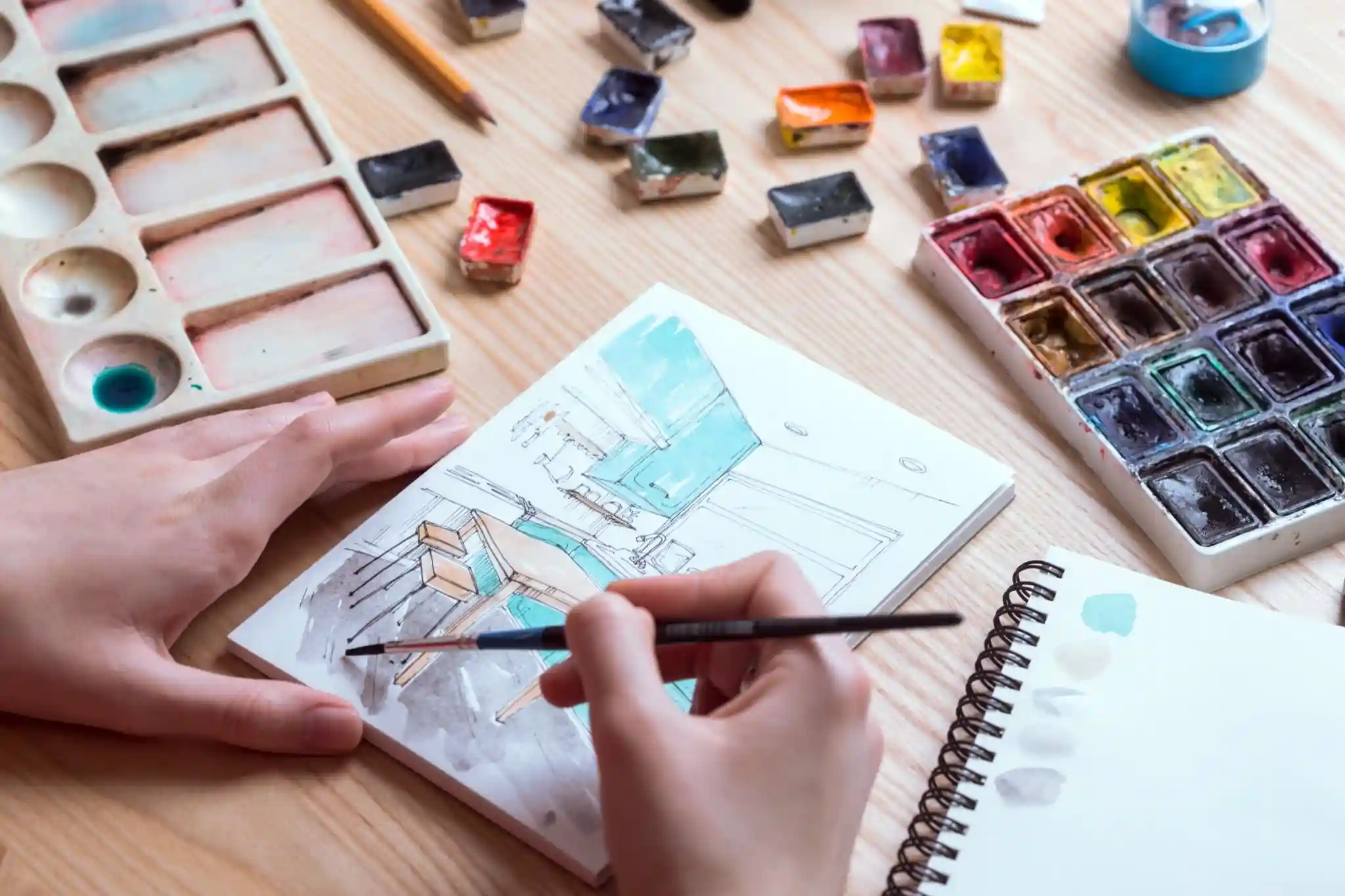
Maintaining a daily art journal is an excellent way for beginners to capture inspiration as it strikes. A journal allows artists to doodle, jot down ideas, and experiment with different styles. The act of creating regularly can lead to unexpected breakthroughs and insights.
Real-Life Example: Maria, a beginner artist, started a daily art journal after feeling uninspired. She committed to spending just 10 minutes each day sketching or writing about her thoughts. Over time, she discovered that this routine not only sparked creativity but also helped her articulate her artistic journey.
To start a daily art journal, choose a format that resonates with you. It could be a physical notebook or a digital app. The key is consistency—set aside dedicated time each day to explore your ideas freely.
Exploring Art History for Inspiration
Art history is filled with inspiring stories, techniques, and movements. By studying the works of renowned artists, beginners can gain insights into different styles and approaches. Understanding the context in which these artists worked can also deepen appreciation for their art.
Expert Insight: Art historian Dr. Michael Reynolds explains, “Exploring art history offers a window into the evolution of styles and techniques. It can inspire contemporary artists to push the boundaries of their work.”
Consider visiting museums or galleries to study art firsthand. Many institutions offer online resources or virtual tours, making art history accessible to everyone. Create a list of artists or movements that resonate with you and explore their work in-depth.
Using Daily Prompts and Challenges
Participating in daily art prompts or challenges can be an effective way to spark creativity. These prompts encourage artists to create regularly while exploring themes or techniques they might not typically consider.
Real-Life Example: David, a beginner sketch artist, joined an online monthly challenge that provided daily prompts. Each day, he would create a piece based on the prompt, ranging from “draw your favorite food” to “illustrate a dream.” This challenge not only improved his skills but also expanded his creative horizons.
Look for art challenges on social media platforms or websites dedicated to art. Many communities offer structured prompts that can help you stay motivated and accountable.
Engaging with Other Artists
Connecting with fellow artists can provide a wealth of inspiration and support. Whether through local art groups, online forums, or social media, engaging with others allows for the exchange of ideas and techniques.
Expert Insight: Community artist Laura Kim emphasizes, “Surrounding yourself with other creatives can help you see things from different perspectives. Collaboration often leads to new ideas and innovative approaches.”
Consider joining local art clubs or online communities that focus on your area of interest. Participate in discussions, share your work, and learn from others. This collaborative environment can fuel your creativity and keep you inspired.
Experimenting with Different Mediums
Trying out different art mediums can also lead to new sources of inspiration. As a beginner, you might typically stick to one medium, but exploring others can expand your creative possibilities.
Real-Life Example: When Sophie, a watercolor painter, decided to experiment with digital art, she discovered an entirely new way to express her creativity. The experience not only inspired her to incorporate digital techniques into her watercolor work but also rejuvenated her passion for art.
Don’t be afraid to step outside your comfort zone. Experiment with clay, digital tools, photography, or any medium that piques your interest. This exploration can ignite new ideas and artistic directions.
Setting a Routine for Daily Creativity
Creating a routine for daily art practice can help instill discipline and ensure that you prioritize your creative pursuits. By setting aside dedicated time each day, you can cultivate a habit of creativity that leads to consistent inspiration.
Expert Insight: Productivity expert Anna Lee suggests, “Setting a routine helps to eliminate decision fatigue. When you know it’s time to create, you can dive straight into the process without hesitation.”
Choose a time of day that works best for you, whether it’s early morning or late at night. Create a comfortable workspace and eliminate distractions. This structured approach can help you stay focused and inspired.
Finding Inspiration in Everyday Life
Sometimes, the most profound inspiration lies in everyday life. Observing the world around you—the people you encounter, the places you visit, and the experiences you have—can all provide rich material for your art.
Real-Life Example: Tom, a beginner photographer, started documenting his daily commute. He discovered beauty in the mundane capturing candid moments of people, the changing seasons, and the urban landscape. This practice not only improved his photography skills but also expanded his perspective on everyday life.
Consider keeping a camera or sketchbook handy to capture moments that inspire you throughout your day. You might be surprised by the creativity that emerges from your everyday experiences.
Conclusion: Embracing Daily Art Inspiration
Finding daily art inspiration is a journey that requires mindfulness and openness. As a beginner, embracing various sources of inspiration—from nature and online platforms to art history and personal experiences—can enrich your creative practice. Remember that creativity is not a destination but a continuous process of exploration and growth.
By implementing these strategies, you can cultivate a habit of daily creativity that fuels your artistic endeavors. Surround yourself with supportive communities, experiment with different mediums, and remain open to inspiration in all its forms. Your artistic journey is uniquely yours, and every day brings new opportunities for inspiration.
FAQs
How can beginners find daily art inspiration?
Beginners can find daily art inspiration by exploring nature, using online platforms, attending workshops, and keeping an art journal. Engaging with other artists also helps spark creativity.
What are some effective ways to document art ideas?
Keeping a daily art journal, using sketchbooks, or maintaining a digital app can help document art ideas. Regularly revisiting these notes can inspire future artwork.
Why is routine important for artists?
Establishing a routine helps artists prioritize creativity, eliminate decision fatigue, and foster discipline. Consistency can lead to increased inspiration and skill development.

Leave a comment