Top Effective Graphic Design Tips for Pros and Beginners
March 6, 2026
Graphic design today is more than visual decoration. It is strategic communication. Every layout, color choice, and font decision influences how people perceive a brand, message, or product. In a world where audiences scroll quickly and competition is intense, strong design skills are not optional. They are essential. The most valuable Graphic Design Tips are not trendy shortcuts. They are timeless principles applied with modern awareness. Whether you are just starting or refining years of experience, mastering fundamentals while adapting to new tools will keep your work relevant and effective.
Why Strong Design Skills Matter More Than Ever
Digital platforms have multiplied. Brands compete across websites, apps, packaging, social media, and video. Each space demands clarity and consistency. Poor design creates confusion. Confusion reduces trust. Strong design builds credibility instantly. That is why understanding Graphic Design Tips goes beyond aesthetics. It directly impacts engagement, conversions, and brand recognition. Beginners benefit from learning structure early so they avoid developing weak habits. Professionals benefit from revisiting fundamentals because trends shift, but strong visual logic remains constant. In 2026, designers must combine creativity with strategy. Clients expect solutions, not just visuals. The designer who understands audience behavior and business objectives becomes far more valuable.
Mastering the Foundations of Visual Communication
Every effective design begins with hierarchy. Viewers should instantly know where to look first. Size, contrast, spacing, and placement create that guidance. When hierarchy is unclear, everything competes for attention and the message weakens. Alignment is equally important. Clean alignment produces professionalism, even in simple compositions. Random placement feels careless. White space deserves respect. It is not empty space. It is structure. It separates elements, improves readability, and creates breathing room. Many beginners overcrowd layouts because empty areas feel unfinished. Experienced designers know that restraint strengthens impact. Clarity should always override decoration. Before opening any design software, define the goal. Is the piece meant to inform, persuade, or inspire? Purpose drives design decisions.
Typography Techniques That Elevate Your Designs
Typography carries emotional tone. A typeface can feel formal, playful, modern, or authoritative before the words are even processed. Selecting fonts strategically is one of the most powerful Graphic Design Tips any designer can apply. Serif fonts often communicate tradition and reliability. Sans-serif fonts feel clean and contemporary. Display fonts add personality but should be used sparingly. Overusing decorative fonts reduces professionalism. Limiting your design to two or three complementary typefaces keeps visuals cohesive. Spacing also matters. Proper kerning and line height improve readability dramatically. Small adjustments can transform average typography into polished work. Contrast in font weight and size creates emphasis without clutter. Strong typography does not shout. It guides.
Color Strategy Beyond Basic Theory
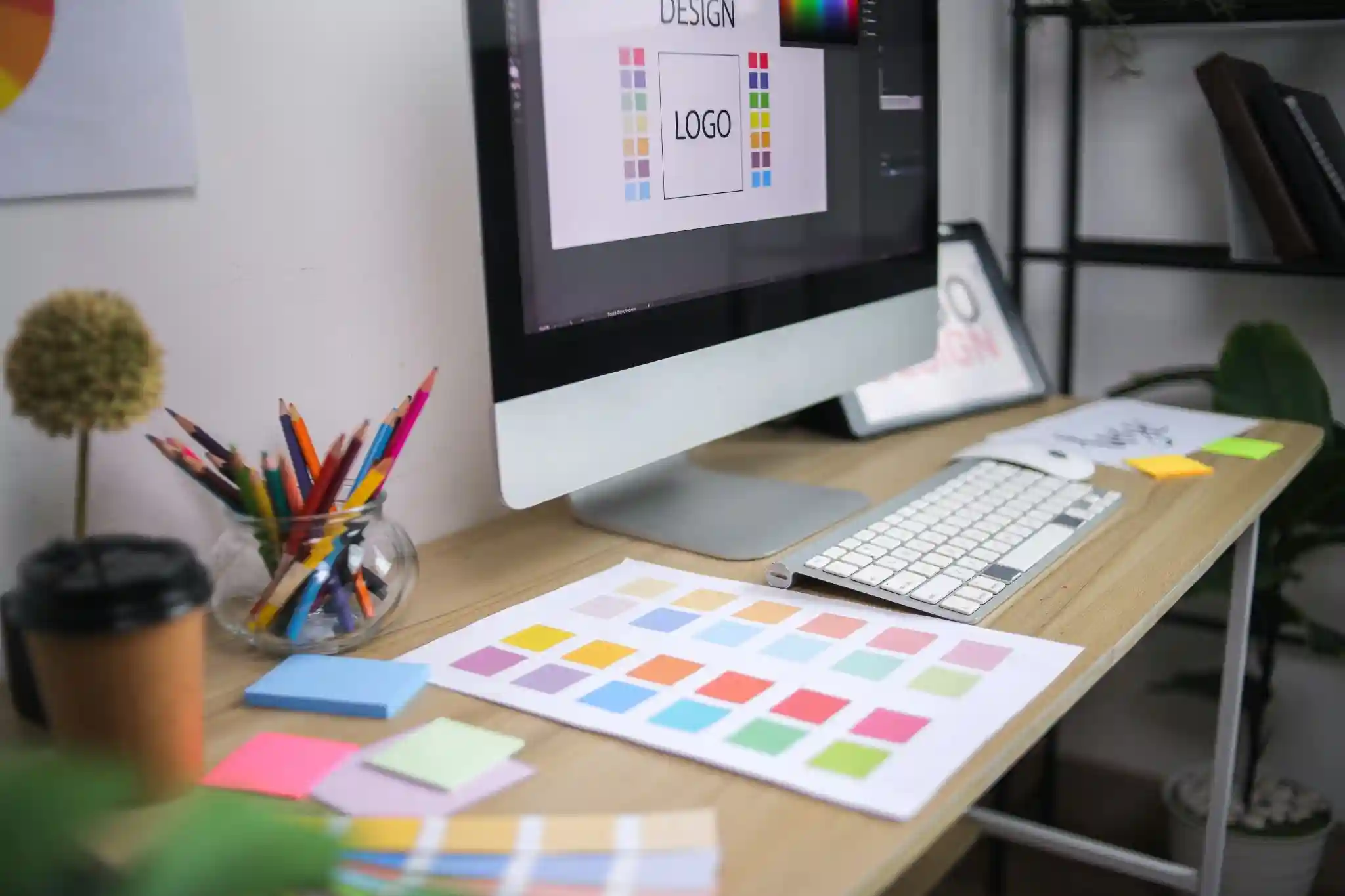
Color influences emotion and behavior. Warm tones can create urgency or excitement. Cool tones often feel calm or trustworthy. Strategic color selection aligns with brand positioning and audience expectations. Instead of choosing colors based on preference, base decisions on context. Consider cultural associations and accessibility. Contrast ratios must ensure readability for all users, including those with visual impairments. Overusing bright colors creates fatigue. A balanced palette with one dominant color, one supporting color, and subtle neutrals often works best. Professionals test designs in grayscale to evaluate contrast strength. If the design works without color, it will perform even better with it.
Layout and Composition for Maximum Impact
Strong layouts rely on structure. Grid systems provide invisible organization that keeps elements aligned and proportional. Even creative compositions benefit from underlying grids. They create consistency across multiple assets. The rule of thirds helps place focal points naturally, while modular layouts support responsive design across devices. Simplicity often outperforms complexity. Minimal layouts highlight essential information and reduce cognitive load. However, minimalism should not remove personality. Balance expressive elements with clear organization. White space, margins, and spacing between sections influence how comfortable a design feels. Strategic spacing can direct attention more effectively than bold colors or oversized text.
Graphic Design Tips for Branding Projects
Branding demands consistency. A logo alone is not a brand. Typography, color palette, imagery style, and layout rules create a unified identity. Every asset must feel connected. One of the most overlooked Graphic Design Tips in branding is adaptability. Designs must function across business cards, websites, packaging, and social media. Scalability matters. Test logos at small sizes and in black and white. If they lose clarity, refine them. Designers should also document style guides clearly. Strong guidelines ensure brand consistency even when multiple designers are involved. Consistency builds recognition. Recognition builds trust.
Practical Workflow Improvements for Designers
Efficiency separates amateurs from professionals. Organizing files with clear naming conventions prevents confusion later. Layer grouping and structured artboards reduce editing time. Save iterative versions of major projects. This protects progress and allows clients to review variations. Templates can save hours on recurring tasks. Professionals also build asset libraries for icons, grids, and brand elements. Time management is equally critical. Set clear milestones for drafts and revisions. Avoid endless tweaking without purpose. Strategic workflow habits increase productivity and reduce burnout. Mastery is not only about creativity. It is about systems.
Designing for Different Mediums and Platforms
Design is context-dependent. Print requires high-resolution files and CMYK color settings. Digital platforms demand RGB color and optimized file sizes. Social media graphics must remain legible on small screens. Responsive design principles ensure layouts adapt across devices. A design that works beautifully on desktop may fail on mobile. Testing across formats prevents surprises. Consider user behavior as well. Website users scan quickly. Print readers engage more slowly. Adjust hierarchy accordingly. Export settings matter. Poor compression can ruin visual quality. Attention to technical details protects the integrity of your work.
Common Mistakes Designers Make and How to Fix Them
Beginners often overdesign. They add shadows, gradients, and effects without strategic reason. Simplicity usually strengthens communication. Another common mistake is ignoring alignment. Slight inconsistencies accumulate and reduce polish. Copying trends without understanding fundamentals also limits growth. Trends fade. Principles endure. Professionals can also fall into traps. Overcomplicating branding systems, neglecting user experience, or skipping real-world testing can weaken otherwise strong designs. Always review work in context. Print a draft. View it on multiple devices. Ask for objective feedback. Growth requires reflection.
Staying Creative Without Burning Out
Creative work can become exhausting when deadlines pile up. Inspiration systems help. Collect visual references. Study design outside your niche. Explore architecture, photography, and fashion. Cross-disciplinary inspiration fuels originality. Personal projects also protect creative energy. They allow experimentation without client constraints. Continuous learning keeps skills sharp. Study emerging tools but do not rely on them blindly. AI-assisted design features can speed workflows, but foundational skills remain essential. The most successful designers balance technology with craftsmanship.
Future-Proofing Your Graphic Design Skills
The design industry continues to evolve. Automation tools simplify repetitive tasks. Interactive and motion design are increasingly valuable. Expanding skill sets beyond static visuals improves career stability. Understanding UX principles enhances digital work. Learning basic animation adds depth to branding projects. Building a strong portfolio with diverse case studies is critical. Showcase process, not just final results. Employers and clients value strategic thinking. Staying adaptable ensures longevity in a competitive field. Graphic Design Tips that focus on principles rather than trends will remain relevant regardless of technological shifts.
Conclusion
Strong design combines clarity, intention, and execution. The most effective Graphic Design Tips focus on fundamentals first: hierarchy, typography, color balance, and composition. From there, workflow efficiency and branding consistency amplify results. Both beginners and professionals benefit from strategic thinking. Design should solve problems, not just decorate surfaces. In 2026 and beyond, designers who blend creativity with structure, adaptability, and continuous learning will stand out. Master the basics. Refine your systems. Stay curious. Consistent improvement transforms good designers into exceptional ones.
Leave a comment